Mohammad

ATAUL KARIM

A Bangladeshi-American scientist whose work connects optics, computing, pattern recognition and electro-optical systems, alongside a career devoted to longtime academic administrator who spent a career building research programs across five universities.

From a border town in
Sylhet to the provost's office.

Born in Barlekha, a border town in South Sylhet, Karim left home as a boy to study at Faujdarhat Cadet College and later Sylhet MC College, before earning his physics honors degree at the University of Dhaka in 1976. He crossed to the University of Alabama for graduate work, completing a master’s in physics (1978), a master’s in electrical engineering (1979), and a PhD in electrical engineering (1981).

His academic career unfolded across seven American universities. Early faculty posts at the University of Arkansas at Little Rock and Wichita State University led to a twelve-year run at the University of Dayton, where he founded the Electro-Optics Program and later chaired electrical and computer engineering. He then headed the same department at the University of Tennessee, Knoxville, before becoming Dean of Engineering at the City College of New York. He spent nine years as the first vice president for research at Old Dominion University, and closed out his administrative career as provost, executive vice chancellor, and chief operating officer of UMass Dartmouth from 2013 to 2020.

Across that arc, Karim built a research record in optical computing, information processing, pattern and target recognition, night vision, displays, electro-optical systems, and sensors, work sponsored by the Office of Naval Research, NSF, NASA, and the US Air Force and Army, among others. He authored or edited 19 books, more than 365 papers, 13 book chapters, and 3 US patents, mentored over 55 graduate students, and guest-edited 36 journal special issues. He edits Optics and Laser Technology, serves as an associate editor of IEEE Transactions on Education, and sits on the editorial board of Microwave and Optical Technology Letters, output that made him one of the fifty most-published authors in the fifty-year history of Applied Optics.

He’s an elected fellow of seven societies (IEEE, the Optical Society of America, SPIE, the Institute of Physics, the Institution of Engineering & Technology, the Asia-Pacific Artificial Intelligence Association, and the Bangladesh Academy of Sciences), and has used that standing to push publicly for reform in Bangladesh’s higher education system, campaigning against questionable journals and recruitment practices.
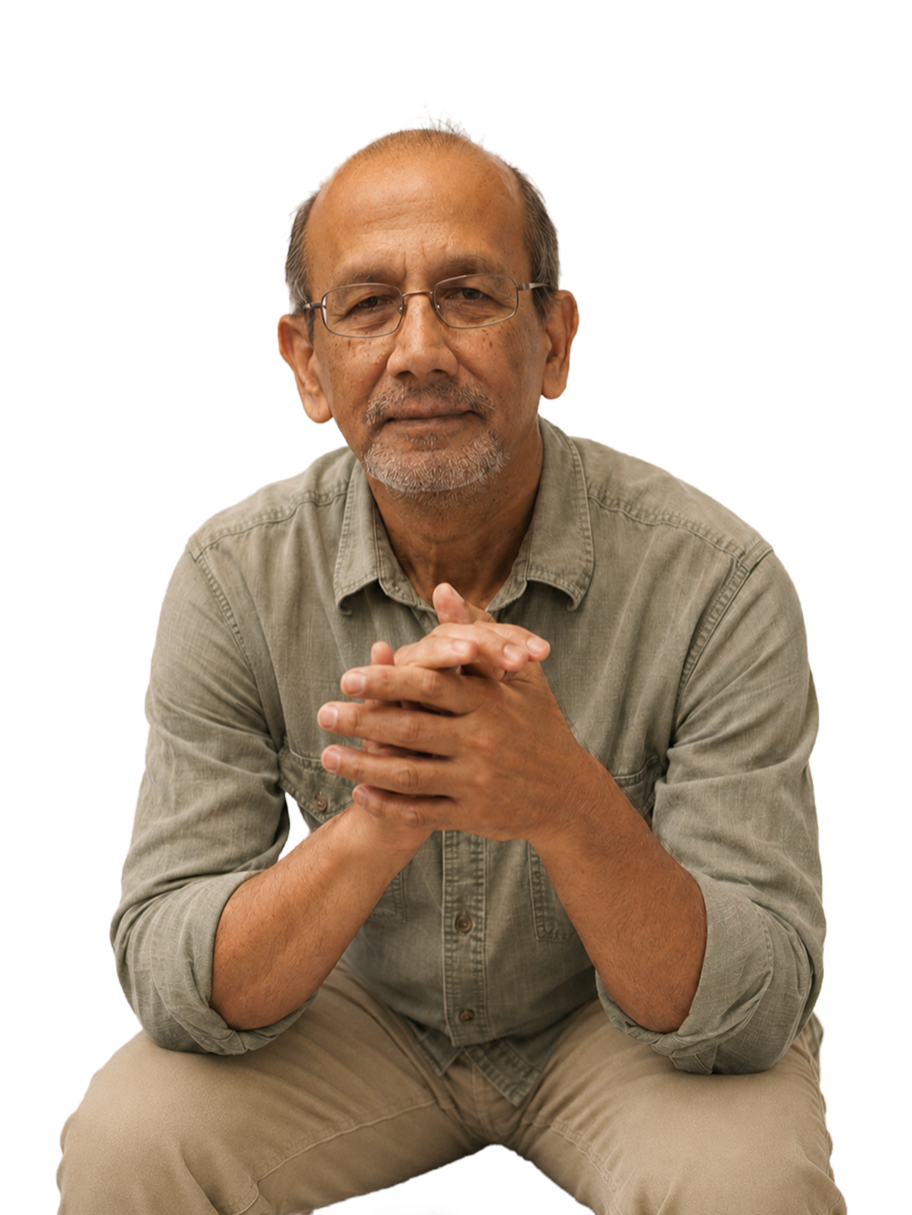

a life spent bending and reading light.

Get to know
me better

Watch a two-minute video about me to get to know me better.

19

Books Authored

365+

Research Papers

60+

MS / PHD RESEARCHERS MENTORED

36

journal special issues guest-edited

7

PROFESSIONAL SOCIETY FELLOWSHIPS

/ What He Does

Four roles that
make up one career.

Mohammad Ataul Karim is an electrical engineer, optics researcher, and higher education administrator. His work spans three areas: scientific research, university leadership, and advocacy for academic reform.

Research

Electro-Optics and Imaging

Karim researches optical computing, electro-optical systems, and pattern recognition, work behind night vision, imaging sensors, and displays. Funded by NASA, the U.S. Air Force, Army, and NSF, he has published 365+ papers and 19 books.

Leadership

Running University Research and Academic Programs

Karim led academic programs at seven U.S. universities, including Provost, EVC, and COO at UMass Dartmouth. He was the first VP for Research at Old Dominion, Dean of Engineering at CCNY, and chaired departments at Tennessee and Dayton.

Mentorship

Training the Next Generation of Engineers

He has supervised 55+ graduate students and guest-edited 36 journal special issues. He edits Optics and Laser Technology and sits on two other editorial boards.

Advocacy

Improving Higher Education in Bangladesh

He campaigns publicly against weak journals and unfair hiring in Bangladeshi higher education, and advises three universities there on governance and academic standards.

/ Research focus

Building at the intersection of light,
information and intelligence.

01

Optical Computing

Using light, not electrons, to carry out computation and signal processing.

02

Non-linear image processing

Techniques for extracting signal from noisy or distorted imagery.

03

Electro-optical systems

Hybrid optical and electronic architectures for sensing and display.

04

Pattern recognition

Automated detection and classification within optical and image data.

/ Career

Nearly four decades
across seven institutions

1982-1983

University of Arkansas at Little Rock

Faculty appointment in electrical engineering. His first academic post after completing his PhD, marking the start of a 38-year career in higher education.

1983-1986

Wichita State University

Continued as faculty in electrical engineering, building the early research base in electro-optics that would define the rest of his career.

1986-1998

University of Dayton

A 12-year stint in Ohio. He founded the university’s Electro-Optics Program in 1990, one of the first of its kind in the U.S., and later chaired the Department of Electrical and Computer Engineering from 1994 to 1998.

1998-2000

University of Tennessee, Knoxville

Head of the Department of Electrical and Computer Engineering, overseeing faculty, curriculum, and research direction for the department.

2000-2004

City College of New York, CUNY

Dean of Engineering. His first school-wide leadership role, managing the engineering school’s academic programs, faculty hiring, and research strategy.

2004-2013

Old Dominion University

The university’s first-ever Vice President for Research, a newly created position he held for nine years, responsible for building the school’s research infrastructure and external funding base.

2013-2020

UMass Dartmouth

Provost, Executive Vice Chancellor, and Chief Operating Officer, the top academic and operating leadership role at the university, overseeing academic affairs and day-to-day operations campus-wide.

/ Recognition

Building at the intersection of light,
information and intelligence.

Optical Society of America (OSA)

Leading global society for optics and photonics.

1993

The Society of Photo-Optical Instrumentation Engineers (SPIE)

International society for optics and photonics engineering.

1995

Bangladesh Academy of Sciences (BAS)

Bangladesh's national academy of sciences.

2002

Institute of Physics (IOP)

UK-based society for physics research and applications.

2006

Institute of Electrical and Electronics Engineers (IEEE)

World's largest technical society for electrical and electronics engineers.

2009

Asia-Pacific Artificial Intelligence Association (AAIA)

Reflects his continued work at the intersection of AI, pattern recognition, and imaging.

2022

/ Advocacy

A vocal case for stronger,
more honest universities.

"Better rankings for Bangladeshi universities won't come from ambition alone, they demand an end to questionable journals and recruitment practices."

Ataul Karim has written and spoken repeatedly on raising the standing of universities in Bangladesh, and serves on the board of trustees or advisory boards of Ahsanullah University of Science and Technology, North South University, and Metropolitan University, Sylhet, alongside the Board of Regents of the North American Bangladeshi Islamic Community.

 / Research, explained 

Watch him explain
his
research

/ Media & lectures

Podcasts, talks,
and lectures

A selection of his podcast appearances and recorded lectures. Replace each card’s link with the real video URL.

Global Scholars: 2026 Study Abroad Applications Now Open

September 17, 2026

Global Scholars: 2026 Study Abroad Applications Now Open

September 17, 2026

Global Scholars: 2026 Study Abroad Applications Now Open

September 17, 2026

Global Scholars: 2026 Study Abroad Applications Now Open

September 17, 2026

Global Scholars: 2026 Study Abroad Applications Now Open

September 17, 2026

Global Scholars: 2026 Study Abroad Applications Now Open

September 17, 2026

/ Media & lectures

Decades of
research
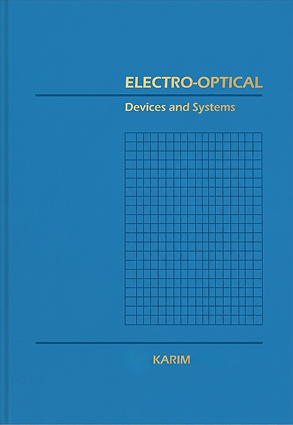
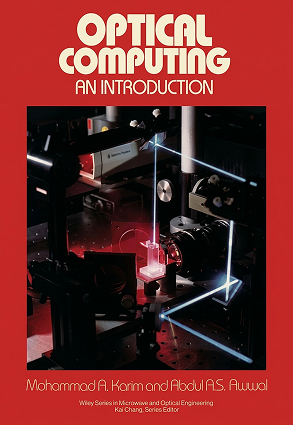
, in print

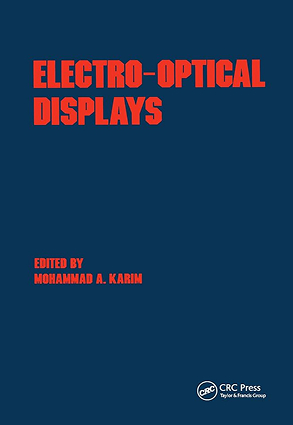
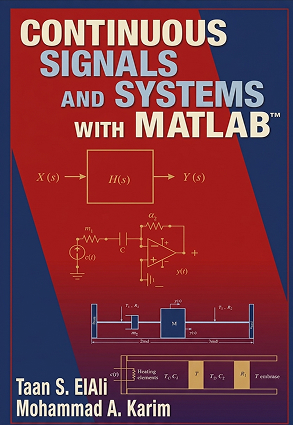
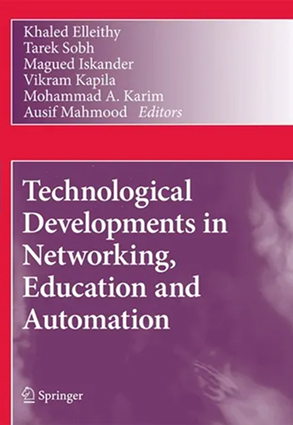
Each book links to a short video where he explains why he wrote it. Replace covers, titles, and links with the real details.

Provost Emeritus, University of Massachusetts Dartmouth. For institutional inquiries, contact the UMass Dartmouth Office of the Provost.

Designed by